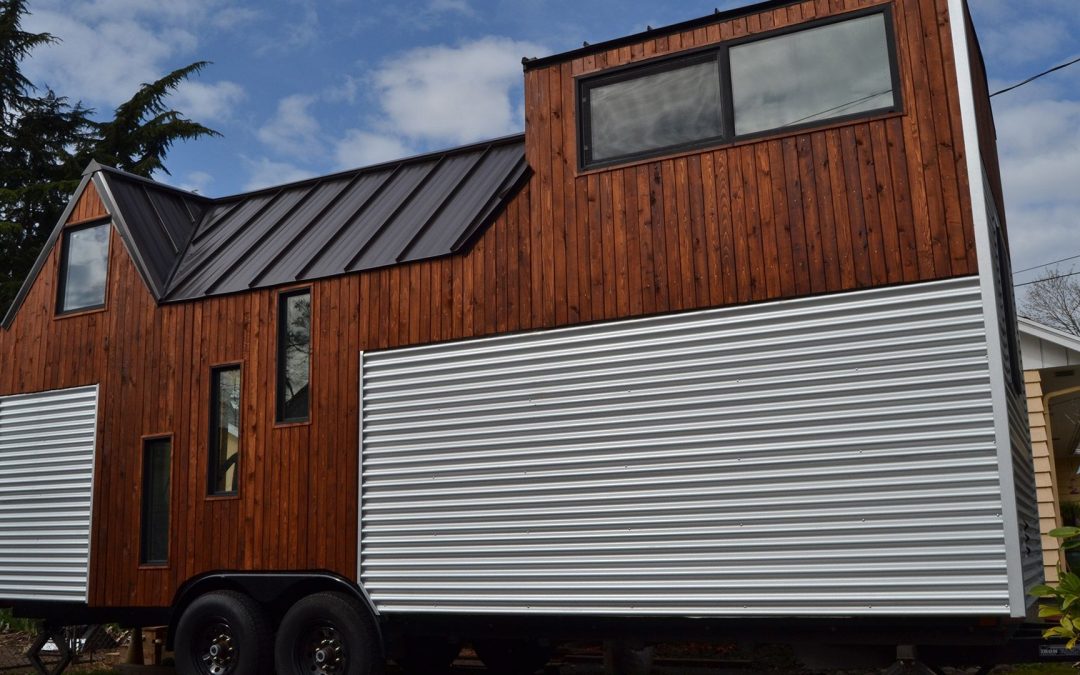


Tiny Houses on Wheels | Publishing September 22, 2026
Does RV Insurance Cover a Tiny House?
A comparison guide for owners who are unsure whether their tiny house belongs on an RV policy.
Quick Answer
RV insurance may not cover a tiny house properly if the home was built as a dwelling, is used full time, lacks RV certification, or has nonstandard construction.
What to Know First
- RV insurance is built for recreational vehicles.
- Tiny houses are often built for residential living.
- Certification, registration, and use matter.
- Full-time occupancy can change eligibility.
- A specialist can help avoid the wrong policy type.
Why RV insurance may not fit
RV policies are designed around vehicles manufactured and used as recreational vehicles. Tiny houses may be built on trailers, but many are designed as homes, not RVs.
If the tiny house is DIY, custom-built, full-time, or not RV certified, a standard RV carrier may decline or limit coverage.
- RVIA or similar certification
- Vehicle registration
- Recreational versus residential use
- Custom construction
Where the confusion comes from
The wheels make people assume RV insurance is the answer. But wheels are only one part of the risk. The structure, utilities, use, and occupancy all matter.
A tiny house can be movable without being an RV in the insurance sense.
- Trailer-based does not always mean RV
- Dwelling features matter
- Long-term parking changes the exposure
- Rental use creates additional questions
What to ask instead
Rather than asking only for RV insurance, describe the home accurately and ask what type of tiny house coverage is available.
The goal is not to force the home into the easiest category. The goal is to find coverage that fits the actual way the home is built and used.
- How is the home classified?
- Is full-time use allowed?
- Is travel covered?
- Are contents and liability included?
Questions to Ask Before You Request a Quote
The best tiny house insurance conversation starts with the right details. Before you request a quote, gather the build type, year built, dimensions, whether the home is stationary or on wheels, where it is kept, how it is used, and whether you have photos, receipts, builder documents, or a prior policy.
MAC Insurance is different because the agency is built around these nontraditional situations. A tiny house can be a home, a movable structure, a DIY project, a yurt, a skoolie, a container home, or a cabin. The more clearly your home is documented, the easier it is to match your situation with coverage that actually makes sense.
Need help choosing tiny house coverage?
Send your details to MAC Insurance and let a tiny house insurance specialist review the right next step for your build, use, and location.
FAQ
Can a certified tiny house use RV insurance?
Possibly, depending on the certification, registration, use, and carrier rules.
Does RV insurance cover full-time living?
Some RV policies have full-time options, but that does not mean every tiny house qualifies.
What if my tiny house is not RV certified?
You may need a specialist tiny house insurance solution instead of a standard RV policy.
This guide is general information, not a guarantee of coverage. Eligibility, limits, endorsements, and availability vary by state, carrier, build type, and underwriting review.
Recent Comments